
欢迎来到西檬之家的SM亚文化新手指南。
SM亚文化,即BDSM文化,代表了一种建立在信任和沟通基础上的独特人际关系实践。本指南旨在帮助新人了解基本术语、伦理原则和安全准则,以便在这一领域内安全地进行探索。
什么是BDSM?
BDSM是 Bindage & Discipline(绑缚与调教)、Dominance & Submission(支配与臣服)以及 Sadism & Masochism(施虐与受虐)的统称。作为一种亚文化实践,BDSM的核心在于自愿、安全且愉悦的互动。
核心原则:SSC原则
在所有BDSM活动中,必须遵循SSC原则,即安全、理智和知情同意。这意味着每次互动前都要明确边界,使用安全词是必不可少的环节,确保所有活动都在双方舒适范围内进行。
关键术语解析
DS(支配与臣服)
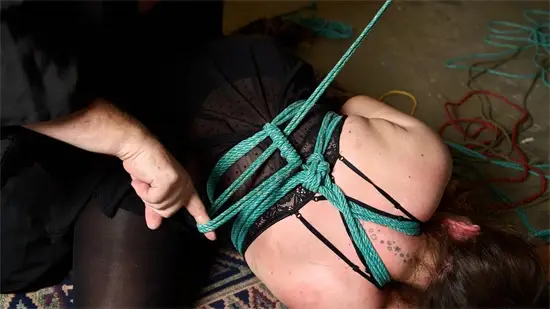
DS关系是一种基于信任的权力交换,支配者(Dom)负责引导,臣服者(Sub)则交出部分控制权。这种动态更多关注心理层面的互动而非肉体上的刺激,如使用绳索进行的艺术性绑缚。
SM(施虐与受虐)
SM重点在于通过施虐与受虐获得快感,需要明确区分生理上的痛感与心理上的支配/臣服,确保所有活动过程都遵循SSC原则。
SP(打屁股)
SP是一种在小圈中常见的实践,指臀部拍打行为,通常带有管教或非性化色彩。无论是否含有性元素,进行此类互动都必须获得明确同意并设定安全词。
Relationships, Power, and Safety
In the BDSM community, understanding these core concepts is key to building healthy and consensual power dynamics. Power exchange, trust, and clear boundaries are fundamental to safe interactions.
Setting Boundaries and Safety Words
Effective BDSM play requires prior agreement on limits and a safety word. Open communication ensures that all participants feel respected and safe throughout the experience. This includes discussing anything from light bondage to intense power exchanges.
Conclusion
The BDSM community offers a range of practices, from gentle teasing (DT) to intense sensory games. With proper understanding and application of principles like consent and SSC, newcomers can explore their interests safely and mindfully.